

Journal of Clinical Pediatrics ›› 2022, Vol. 40 ›› Issue (5): 321-327.doi: 10.12372/jcp.2022.22e0411
• Commentary • Next Articles
LUO Feihong
Received:2022-03-27
Published:2022-05-15
Online:2022-05-13
LUO Feihong. Diagnosis, treatment and future of children type 1 diabetes mellitus[J].Journal of Clinical Pediatrics, 2022, 40(5): 321-327.
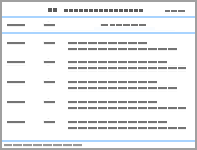
"
| 自然病程 | 特点 | 诊断标准 |
|---|---|---|
| 阶段1 | 自身免疫 血糖正常 症状前 | ①多种胰岛自身抗体 ②无空腹血糖异常或糖耐量受损 |
| 阶段2 | 自身免疫 血糖异常 症状前 | ①胰岛自身抗体(通常为多个) ②糖调节异常:空腹血糖异常和/或糖耐量受损 ③空腹血糖5.6~6.9 mmol·L-1 ④口服糖耐量试验2小时血糖 7.8~11.0 mmol/L ⑤HbA1C 39~47mmol·mol-1或其增幅≥10% |
| 阶段3 | 自身免疫 明显的高血糖 有临床症状 | ①自身抗体可能会缺失 ②符合糖尿病诊断标准 |
"
| 糖尿病自我管理教育与支持方面 | 建议T1DM患儿和父母/照料者定期接受糖尿病管理国家标准中的有关糖尿病个性化 自我管理和支持方面的教育 |
|---|---|
| 营养治疗建议 | 建议对患有T1DM的儿童青少年进行个体化医学营养治疗,作为整体治疗计划的重要 组成部分;监测碳水化合物摄入,无论是通过碳水化合物计数还是基于经验的估计, 都是优化血糖管理的关键组成部分 建议由经验丰富的注册营养师进行诊断时的全面营养教育,并每年更新,以评估与体重 状况和心血管疾病风险因素相关的热量和营养摄入是否合理,并告知宏量营养素的选择 |
| 体育活动和锻炼建议 | 建议T1DM患儿进行体育锻炼,目标是每天进行60分钟中到高强度的有氧运动,每周至少3天进行高强度肌肉和骨骼强化锻炼 运动前、中和后,通过血糖仪或连续血糖监测进行频繁的血糖监测,预防和处理运动相关的低血糖和高血糖症 青少年及其父母/照料者应在体育活动之前、期间和之后接受关于血糖目标和管理的教育,并根据计划体育活动的类型和强度进行个性化安排 应教育青年及其父母/照料者在体育活动和锻炼期间、之后和夜间预防低血糖的策略, 包括锻炼前后膳食、加餐及相应胰岛素的调整 |
| 社会心理问题建议 | 在诊断和常规随访期间,评估可能影响糖尿病管理的心理社会问题和家庭压力,并向受过培训的、最好是有儿童糖尿病关联经验的心理健康专业人员转诊 儿童糖尿病多学科团队应包含心理健康专业人员 询问青少年和他们的父母/照顾者关于社会适应(同伴关系)和学校表现,以确定是否需要进一步的干预 对10~12岁的T1DM进行饮食紊乱筛查 |
| [1] |
Rawshani A, Sattar N, Franzén S, et al. Excess mortality and cardiovascular disease in young adults with type 1 diabetes in relation to age at onset: a nationwide, register-based cohort study[J]. Lancet, 2018, 392(10146): 477-486.
doi: S0140-6736(18)31506-X pmid: 30129464 |
| [2] | Patterson CC, Karuranga S, Salpea P, et al. Worldwide estimates of incidence, prevalence and mortality of type 1 diabetes in children and adolescents: Results from the International Diabetes Federation Diabetes Atlas, 9th edition Diabetes Res[J]. Clin Pract, 2019, 157: 107842. |
| [3] |
Knip M. Type 1 diabetes in Finland: past, present, and future[J]. Lancet Diabetes Endocrinol, 2021, 9(5): 259-260.
doi: 10.1016/S2213-8587(21)00074-7 |
| [4] |
Piffaretti C, Mandereau-Bruno L, Guilmin-Crepon S, et al. Trends in childhood type 1 diabetes incidence in France, 2010-2015 [J]. Diabetes Res Clin Pract, 2019, 149: 200-207.
doi: 10.1016/j.diabres.2018.11.005 |
| [5] |
Flint SA, Gunn AJ, Hofman PL, et al. Evidence of a plateau in the incidence of type 1 diabetes in children 0-4 years of age from a regional pediatric diabetes center; Auckland, New Zealand: 1977-2019[J]. Pediatr Diabetes, 2021, 22(6): 854-860.
doi: 10.1111/pedi.13236 |
| [6] |
Fu H, Shen SX, Chen ZW, et al. Shanghai, China, has the lowest confirmed incidence of childhood diabetes in the world[J]. Diabetes Care, 1994, 17(10): 1206-1208.
pmid: 7821146 |
| [7] |
Zhao Z, Sun C, Wang C, et al. Rapidly rising incidence of childhood type 1 diabetes in Chinese population: epidemiology in Shanghai during 1997-2011 [J]. Acta Diabetol, 2014, 51(6): 947-953.
doi: 10.1007/s00592-014-0590-2 |
| [8] |
Wu HB, Zhong JM, Hu RY, et al. Rapidly rising incidence of Type 1 diabetes in children and adolescents aged 0-19 years in Zhejiang, China, 2007 to 2013 [J]. Diabet Med, 2016, 33(10): 1339-1346.
doi: 10.1111/dme.13010 |
| [9] |
Liu C, Yuan YC, Guo MN, et al. Incidence of type 1 diabetes may be underestimated in the Chinese population: evidence from 21.7 million people between 2007 and 2017[J]. Diabetes Care, 2021, 44(11): 2503-2509.
doi: 10.2337/dc21-0342 |
| [10] |
Nishioka Y, Noda T, Okada S, et al. Incidence and seasonality of type 1 diabetes: a population-based 3-year cohort study using the National Database in Japan Incidence and seasonality of type 1 diabetes: a population-based 3-year cohort study using the National Database in Japan[J]. BMJ Open Diabetes Res Care, 2020, 8(1): e001262.
doi: 10.1136/bmjdrc-2020-001262 |
| [11] |
Krischer JP, Lynch KF, Lernmark A, et al. Genetic and environmental interactions modify the risk of diabetes-related autoimmunity by 6 years of age: the TEDDY study[J]. Diabetes Care, 2017, 40(9): 1194-1202.
doi: 10.2337/dc17-0238 pmid: 28646072 |
| [12] |
Ziegler AG, Rewers M, Simell O, et al. Seroconversion to multiple islet autoantibodies and risk of progression to diabetes in children[J]. JAMA, 2013, 309(23): 2473-2479.
doi: 10.1001/jama.2013.6285 pmid: 23780460 |
| [13] |
Norris JM, Johnson RK, Stene LC. Type 1 diabetes-early life origins and changing epidemiology[J]. Lancet Diabetes Endocrinol, 2020, 8(3): 226-238.
doi: 10.1016/S2213-8587(19)30412-7 |
| [14] |
Zhi D, Sun C, Sedimbi SK, Luo F, et al. Killer cell immunoglobulin-like receptor along with HLA-C ligand genes are associated with type 1 diabetes in Chinese Han population[J]. Diabetes Metab Res Rev, 2011, 27(8): 872-877.
doi: 10.1002/dmrr.1264 |
| [15] |
Zhi D, Shen S, Luo F, et al. SNPs in the exons of Toll-like receptors are associated with susceptibility to type 1 diabetes in Chinese population[J]. Hum Immunol, 2014, 75(11): 1084-1088.
doi: 10.1016/j.humimm.2014.09.008 |
| [16] |
Pei Z, Chen X, Sun C, et al. A novel single nucleotide polymorphism in the protein tyrosine phosphatase N22 gene (PTPN22) is associated with type 1 diabetes in a Chinese population[J]. Diabet Med, 2014, 31(2): 219-226.
doi: 10.2337/dc18-2023 |
| [17] | Zhu M, Xu K, Chen Y, et al. Identification of novel T1D risk loci and their association with age and islet function at diagnosis in autoantibody-positive T1D individuals: Based on a Two-Stage Genome-Wide Association Study[J]. Diabetes Care, 2019, 42(8): 1414-1421. |
| [18] |
Sanjeevi S, Sun C, Kanungo A, et al. Killer immuno-globulin receptor genes and their HLA-C ligand are associated with Type 1 diabetes in an Eastern Indian population[J]. Diabet Med, 2016, 33(1): 91-96.
doi: 10.1111/dme.12815 |
| [19] | Frederiksen B, Kroehl M, Lamb MM, et al. Infant exposures and development of type 1 diabetes mellitus: The Diabetes Autoimmunity Study in the Young (DAISY)[J]. AMA Pediatr, 2013, 167(9): 808-815. |
| [20] |
Lamb MM, Miller M, Seifert JA, et al. The effect of childhood cow's milk intake and HLA-DR genotype on risk of islet autoimmunity and type 1 diabetes: The Diabetes Autoimmunity Study in the Young[J]. Pediatr Diabetes, 2015, 16(1): 31-38.
doi: 10.1111/pedi.12115 |
| [21] |
Stene LC, Oikarinen S, Hyöty H, et al. Enterovirus infection and progression from islet autoimmunity to type 1 diabetes: The Diabetes and Autoimmunity Study in the Young (DAISY)[J]. Diabetes, 2010, 59(12): 3174-3180.
doi: 10.2337/db10-0866 pmid: 20858685 |
| [22] |
Vehik K, Lynch KF, Wong MC, et al. TEDDY Study Group. Prospective virome analyses in young children at increased genetic risk for type 1 diabetes[J]. Nat Med, 2019, 25(12): 1865-1872.
doi: 10.1038/s41591-019-0667-0 |
| [23] | Vlad A, Serban V, Timar R, et al. Increased incidence of type 1 diabetes during the COVID-19 pandemic in Romanian children[J]. Medicina (Kaunas), 2021, 57(9): 973. |
| [24] |
Unsworth R, Wallace S, Oliver NS, et al. New-onset type 1 diabetes in children during COVID-19: multicenter regional findings in the U.K.[J]. Diabetes Care, 2020, 43(11): e170-e171.
doi: 10.2337/dc20-1551 pmid: 32816997 |
| [25] |
Tittel SR, Rosenbauer J, Kamrath C, et al. Did the COVID-19 lockdown affect the incidence of pediatric type 1 diabetes in Germany?[J]. Diabetes Care, 2020, 43(11): e172-e173.
doi: 10.2337/dc20-1633 |
| [26] |
Tapia G, Størdal K, Mårild K, et al. Antibiotics, acetaminophen and infections during prenatal and early life in relation to type 1 diabetes[J]. Int J Epidemiol, 2018, 47(5): 1538-1548.
doi: 10.1093/ije/dyy092 |
| [27] |
Papadopoulou-Marketou N, Chrousos GP, Kanaka-Gantenbein C. Diabetic nephropathy in type 1 diabetes: a review of early natural history, pathogenesis, and diagnosis[J]. Diabetes Metab Res Rev, 2017, 33(2). doi: 10.1002/dmrr.2841.
doi: 10.1002/dmrr.2841 |
| [28] |
Donaghue KC, Marcovecchio ML, Wadwa RP, et al. ISPAD Clinical Practice Consensus Guidelines 2018:Microvascular and macrovascular complications in children and adolescents[J]. Pediatr Diabetes, 2018, 19 (Suppl 27): 262-274.
doi: 10.1111/pedi.12742 |
| [29] |
Hainsworth DP, Bebu I, Aiello LP, Sivitz W, et al. Risk factors for retinopathy in type 1 diabetes: The DCCT/EDIC Study[J]. Diabetes Care, 2019, 42(5): 875-882.
doi: 10.2337/dc18-2308 pmid: 30833368 |
| [30] |
Herskin CW, Olsen BS, Madsen M, et al. Screening for retinopathy in children with type 1 diabetes in Denmark[J]. Pediatr Diabetes, 2020, 21(1): 106-111.
doi: 10.1111/pedi.12936 |
| [31] |
Gomes MB, Calliari LE, Conte D, et al. Diabetes-related chronic complications in Brazilian adolescents with type 1 diabetes. A multicenter cross-sectional study[J]. Diabetes Res Clin Pract, 2021, 177: 108895.
doi: 10.1016/j.diabres.2021.108895 |
| [32] |
Liu S, Kuja-Halkola R, Larsson H, et al. Neuro developmental disorders, glycemic control, and diabetic complications in type 1 diabetes: a nationwide cohort study[J]. J Clin Endocrinol Metab, 2021, 106(11): e4459-e4470.
doi: 10.1210/clinem/dgab467 |
| [33] | Ling P, Zhang Y, Luo SH, et al. Glycemic control and its associated factors in children and adolescents with type 1 diabetes mellitus[J]. Zhonghua Yi Xue Za Zhi, 2018, 98(46): 3762-3766. |
| [34] |
Chen X, Pei Z, Zhang M, Xu Z, et al. Glycated hemoglobin (HbA1c) concentrations among children and adolescents with diabetes in middle- and low-income countries, 2010-2019: a retrospective chart review and systematic review of literature[J]. Front Endocrinol (Lausanne), 2021, 12: 651589.
doi: 10.3389/fendo.2021.651589 |
| [35] |
American Diabetes Association Professional Practice Committee. Classification and diagnosis of diabetes: standards of medical care in diabetes-2022[J]. Diabetes Care, 2022, 45(Suppl 1): S17-S38.
doi: 10.2337/dc22-S002 |
| [36] | World Health Organization. Classification of diabetes mellitus[EB/OL]. Geneva. 2019. https://www.who.int/publications-detail/classification-of-diabetes-mellitus. |
| [37] | 中国医师协会内分泌代谢科医师分会, 国家代谢性疾病临床医学研究中心. 糖尿病分型诊断中国专家共识[J]. 中华糖尿病杂志, 2022, 14(2): 120-139. |
| [38] |
American Diabetes Association Professional Practice Committee. Children and Adolescents: Standards of Medical Care in Diabetes-2022[J]. Diabetes Care, 2022, 45(Suppl 1): S208-S231.
doi: 10.2337/dc22-S014 |
| [39] | 中华医学会儿科学分会内分泌遗传代谢学组, 中华儿科杂志编辑委员会. 中国儿童1型糖尿病标准化诊断与治疗专家共识(2020版)[J]. 中华儿科杂志, 2020, 58(6): 447-454. |
| [40] |
Battelino T, Danne T, Bergenstal RM, et al. Clinical targets for continuous glucose monitoring data interpretation: recommendations from the international consensus on time in range[J]. Diabetes Care, 2019, 42(8): 1593-1603.
doi: 10.2337/dci19-0028 pmid: 31177185 |
| [41] |
Forlenza GP, Pinhas-Hamiel O, Liljenquist DR, et al. Safety evaluation of the MiniMed 670G system in children 7-13 years of age with type 1 diabetes[J]. Diabetes Technol Ther, 2019, 21: 11-19.
doi: 10.1089/dia.2018.0264 |
| [42] |
Cengiz E. Automated insulin delivery in children with type 1 diabetes[J]. Endocrinol Metab Clin North Am, 2020, 49(1): 157-166.
doi: 10.1016/j.ecl.2019.10.012 |
| [43] |
Chen S, Du K, Zou C. Current progress in stem cell therapy for type 1 diabetes mellitus[J]. Stem Cell Res Ther, 2020, 11(1): 275.
doi: 10.1186/s13287-020-01793-6 |
| [44] |
von Scholten BJ, Kreiner FF, Gough SCL, et al. Current and future therapies for type 1 diabetes[J]. Diabetologia, 2021, 64(5): 1037-1048.
doi: 10.1007/s00125-021-05398-3 pmid: 33595677 |
| [1] | LIN Jinfeng, CHEN Yi, DENG Yan, FENG Ai, HUANG Juan, CHEN Lizhu, XIE Jingqi, NIE Xiaojing. A comparative study on the detection of anti-Nephrin antibodies in children's nephrotic syndrome by chemiluminescence method and cell-based assay [J]. Journal of Clinical Pediatrics, 2026, 44(8): 682-689. |
| [2] | ZHENG Fangyuan, WANG Miao, DING Mingming, LU Aidong, JIA Yueping, ZENG Huimin, ZHANG Leping. Next-generation sequencing identified gene variants and their prognostic impact in pediatric Philadelphia chromosome positive acute lymphoblastic leukemia [J]. Journal of Clinical Pediatrics, 2026, 44(8): 690-697. |
| [3] | ZHANG Xiao, FANG Hongjun, KUANG Xiaojun, WANG Lijuan, WU Zhao, JIANG Sha, LI Pei, WU Liwen. Analysis of the clinical and electrophysiological characteristics of atonic seizures in children [J]. Journal of Clinical Pediatrics, 2026, 44(8): 698-704. |
| [4] | WANG Mengqian, YANG Hui. Case series analysis of 13 intestinal Behcet’s syndrome in children [J]. Journal of Clinical Pediatrics, 2026, 44(8): 705-711. |
| [5] | WU Xirong, GAO Qi, GUO Siyuan, YIN Qingqin, QIN Qiang, YIN Ju, JIAO Anxia, CHEN Chenghao, WU Di, WANG Bei, DUAN Xiaomin, PENG Yun, XU Baoping, GAO Liwei. Clinical characteristics and prognosis of pulmonary mucormycosis in children with diabetes mellitus [J]. Journal of Clinical Pediatrics, 2026, 44(8): 712-720. |
| [6] | HAN Yanan, GE Lanlan, CUI Jieyuan. A case report of branchio-oto-renal syndrome caused by EYA1 gene variant with a 6-year follow-up [J]. Journal of Clinical Pediatrics, 2026, 44(8): 721-726. |
| [7] | SHI Jiayi, GAO Chunlin, JIA Lili, LU Yunyun, SUN Tao, ZHU Xiaodong, XIA Zhengkun, ZHANG Pei. Phenotypic characteristics and prognostic analysis of a pedigree with childhood isolated nephrotic syndrome caused by compound heterozygous mutations in the COQ2 gene [J]. Journal of Clinical Pediatrics, 2026, 44(8): 727-732. |
| [8] | LIN Luona, LIU Juanjuan, WANG Hongyu, HU Bofei, XU Yi, HUANG Lisu. Pathogenesis, clinical features, and management of pediatric influenza-associated extrapulmonary syndrome: from ectopic infection to immune-mediated injury [J]. Journal of Clinical Pediatrics, 2026, 44(8): 733-739. |
| [9] | JIA Shichen, XU Guofeng. Advances in the diagnosis and treatment of cystinuria [J]. Journal of Clinical Pediatrics, 2026, 44(8): 740-746. |
| [10] | Rachel Rosen, Osvaldo Borrelli, Christophe Faure, Katja Karrento, Usha Krishnan, Samuel Nurko, Nathalie Rommel, Alan Silverman, Michiel van Wijk, Marc Benninga (Author), Chinese Medical Association Parenteral and Enteral Nutrition Branch Pediatrics Group, The Subspecialty Group of Gastroenterology, The Society of Pediatric, Chinese Medical Association, Gastroenterology Group, Pediatrician Branch, Chinese Medical Doctor Association (Translator). Core interpretation and explanation of Rome Ⅴ diagnostic criteria: upper gastrointestinal disorders of gut-brain interaction in children and adolescents [J]. Journal of Clinical Pediatrics, 2026, 44(7): 595-608. |
| [11] | Carlo Di Lorenzo, Miguel Saps, Bruno P. Chumpitazi, Shaman Rajindrajith, Annamaria Staiano, Nikhil Thapar, Miranda van Tilburg, Carlos Velasco-Benítez, Arine Vlieger (Author), Chinese Medical Association Parenteral and Enteral Nutrition Branch Pediatrics Group, The Subspecialty Group of Gastroenterology, The Society of Pediatric, Chinese Medical Association, Gastroenterology Group, Pediatrician Branch, Chinese Medical Doctor Association (Translator). Core interpretation and explanation of Rome Ⅴ diagnostic criteria: lower and biliary disorders of gut-brain interaction in children and adolescents [J]. Journal of Clinical Pediatrics, 2026, 44(7): 609-621. |
| [12] | LI Xufeng, TANG Haoxun, LI Xingjun, ZHANG Lize, GAO Chenqing, ZHAO Shunying, LIU Jianhua. Clinical characteristics, chest CT imaging phenotypes, and their correlation with prognosis in 76 children with Chlamydia pneumoniae pneumonia [J]. Journal of Clinical Pediatrics, 2026, 44(7): 622-627. |
| [13] | WANG Zhen, SHAO Jingbo, ZHANG Na, XIA Min, ZHU Jiashi, DU Chengkan, LI Hong. Factors influencing long-term recurrence in pediatric acute lymphoblastic leukemia patients with low-risk disease at initial diagnosis: a five-year follow-up analysis of 254 cases from a single center [J]. Journal of Clinical Pediatrics, 2026, 44(7): 628-635. |
| [14] | GUO Xuemei, XUE Yao, WANG Yongren, RONG Liucheng, FANG Yongjun, LIN Rufeng. Clinical features and prognosis of childhood acute myeloid leukemia with CBFA2T3::GLIS2 fusion [J]. Journal of Clinical Pediatrics, 2026, 44(7): 636-643. |
| [15] | YANG Lijun, FU Dongxia, CUI Yan, YANG Junmei, ZHANG Liming. Clinical manifestation and genetic analysis of CHARGE syndrome caused by CHD7 gene variation [J]. Journal of Clinical Pediatrics, 2026, 44(7): 644-650. |
|
||
