

Journal of Clinical Pediatrics ›› 2023, Vol. 41 ›› Issue (10): 708-714.doi: 10.12372/jcp.2023.22e1112
• Literature Review • Previous Articles Next Articles
Reviewer: ZHANG Zaiyu, WU Yuxin, Reviser: LIANG Ping
Received:2022-08-15
Published:2023-10-15
Online:2023-10-08
ZHANG Zaiyu, WU Yuxin, LIANG Ping. Research progress on characterization and therapeutics for recurrent medulloblastoma in children[J].Journal of Clinical Pediatrics, 2023, 41(10): 708-714.
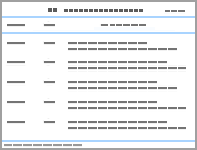
"
| 临床试验名称 | 年龄 | 放射治疗方案 | 化学治疗方案 | 复发率/% | 复发中位 时间/a |
|---|---|---|---|---|---|
| HIT-SKK’2000[ | <4岁 | 化疗后完全缓解则不接受放疗 | CTX+VCR+MTX+CBP+VP-16+ i.vc.MTX | 37.5 | 1.3 |
| Head Start I-II[ | <3岁 | 不接受放疗 | 诱导:CTX+VCR+VP-16+CDDP 巩固:CBP+VP-16+Thiotepa | 33.3 | NA |
| HIT-SIOP-PNET4[ | 4~21岁 | 标准方案:全脑脊髓23.4 Gy+后颅窝54 Gy 超分割方案:全脑脊髓36 Gy+后颅窝60 Gy+瘤床68 Gy | CDDP+CCNU+VCR | 19.5 | 2.2 |
| SJMB96[ | 3~21岁 | 标危组:全脑脊髓23.4 Gy+后颅窝36 Gy+瘤床55.8 Gy 高危组:全脑脊髓36~39.6 Gy+瘤床55.8 Gy+转移病灶50.4 Gy | VCR+CTX+CDDP | 标危组/高危组: 15.1/29.21) | 标危组/高危组: 2.0/1.62) |
| SJMB03[ | 3~21岁 | 标危组:全脑脊髓23.4 Gy+瘤床55.8 Gy 高危组:全脑脊髓36~39.6 Gy+瘤床55.8~59.4 Gy | VCR+CTX+CDDP | 标危组/高危组: 16.3/34.01) | 标危组/高危组: 2.0/1.32) |
| SJYC07[ | <3岁 | 不接受放疗 | 诱导:MTX+VCR+CTX+CDDP 巩固:CTX+CBP+VP-16 维持:CTX+Topotecan+Erlotinib | 65.83) | 0.7 |
| COG-P9934[ | 8月龄~3岁 | 化疗后完全缓解则不接受放疗 | 诱导:CTX+VCR+VP-16+CDDP 巩固:CBP+Thiotepa | 39.23) | NA |
| [1] |
Ostrom QT, Cioffi G, Waite K, et al. CBTRUS statistical report: primary brain and other central nervous system tumors diagnosed in the United States in 2014-2018[J]. Neuro Oncol, 2021, 23(12 Suppl 2): iii1-iii105.
doi: 10.1093/neuonc/noab200 |
| [2] |
Louis DN, Perry A, Wesseling P, et al. The 2021 WHO Classification of Tumors of the Central Nervous System: a summary[J]. Neuro Oncol, 2021, 23(8): 1231-1251.
doi: 10.1093/neuonc/noab106 |
| [3] |
Mynarek M, von Hoff K, Pietsch T, et al. Nonmetastatic medulloblastoma of early childhood: results from the prospective clinical trial HIT-2000 and an extended validation cohort[J]. J Clin Oncol, 2020, 38(18): 2028-2040.
doi: 10.1200/JCO.19.03057 pmid: 32330099 |
| [4] |
Sabel M, Fleischhack G, Tippelt S, et al. Relapse patterns and outcome after relapse in standard risk medulloblastoma: a report from the HIT-SIOP-PNET4 study[J]. J Neurooncol, 2016, 129(3): 515-524.
doi: 10.1007/s11060-016-2202-1 |
| [5] |
Kumar R, Smith KS, Deng M, et al. Clinical outcomes and patient-matched molecular composition of relapsed medulloblastoma[J]. J Clin Oncol, 2021, 39(7): 807-821.
doi: 10.1200/JCO.20.01359 pmid: 33502920 |
| [6] |
Müller K, Mynarek M, Zwiener I, et al. Postponed is not canceled: role of craniospinal radiation therapy in the management of recurrent infant medulloblastoma--an experience from the HIT-REZ 1997 & 2005 studies[J]. Int J Radiat Oncol Biol Phys, 2014, 88(5): 1019-1024.
doi: 10.1016/j.ijrobp.2014.01.013 |
| [7] |
Levy AS, Krailo M, Chi S, et al. Temozolomide with irinotecan versus temozolomide, irinotecan plus bevacizumab for recurrent medulloblastoma of childhood: report of a COG randomized phase II screening trial[J]. Pediatr Blood Cancer, 2021, 68(8): e29031.
doi: 10.1002/pbc.v68.8 |
| [8] |
Gaab C, Adolph JE, Tippelt S, et al. Local and systemic therapy of recurrent medulloblastomas in children and adolescents: results of the P-HIT-REZ 2005 study[J]. Cancers (Basel), 2022, 14(3):471.
doi: 10.3390/cancers14030471 |
| [9] |
Gajjar A, Chintagumpala M, Ashley D, et al. Risk-adapted craniospinal radiotherapy followed by high-dose chemotherapy and stem-cell rescue in children with newly diagnosed medulloblastoma (St Jude Medulloblastoma-96): long-term results from a prospective, multicentre trial[J]. Lancet Oncol, 2006, 7(10): 813-820.
doi: 10.1016/S1470-2045(06)70867-1 pmid: 17012043 |
| [10] |
Lannering B, Rutkowski S, Doz F, et al. Hyperfractionated versus conventional radiotherapy followed by chemo-therapy in standard-risk medulloblastoma: results from the randomized multicenter HIT-SIOP PNET 4 trial[J]. J Clin Oncol, 2012, 30(26): 3187-3193.
doi: 10.1200/JCO.2011.39.8719 pmid: 22851561 |
| [11] |
Dhall G, Grodman H, Ji L, et al. Outcome of children less than three years old at diagnosis with non-metastatic medulloblastoma treated with chemotherapy on the “head start” I and II protocols[J]. Pediatr Blood Cancer, 2008, 50(6): 1169-1175.
doi: 10.1002/(ISSN)1545-5017 |
| [12] |
von Bueren AO, von Hoff K, Pietsch T, et al. Treatment of young children with localized medulloblastoma by chemotherapy alone: results of the prospective, multicenter trial HIT 2000 confirming the prognostic impact of histology[J]. Neuro Oncol, 2011, 13(6): 669-679.
doi: 10.1093/neuonc/nor025 |
| [13] |
Ashley DM, Merchant TE, Strother D, et al. Induction chemotherapy and conformal radiation therapy for very young children with nonmetastatic medulloblastoma: children’s oncology group study P9934[J]. J Clin Oncol, 2012, 30(26): 3181-3186.
doi: 10.1200/JCO.2010.34.4341 pmid: 22851568 |
| [14] |
Robinson GW, Rudneva VA, Buchhalter I, et al. Risk-adapted therapy for young children with medulloblastoma (SJYC07): therapeutic and molecular outcomes from a multicentre, phase 2 trial[J]. Lancet Oncol, 2018, 19(6): 768-784.
doi: S1470-2045(18)30204-3 pmid: 29778738 |
| [15] |
Johnston DL, Keene D, Strother D, et al. Survival following tumor recurrence in children with medullo-blastoma[J]. J Pediatr Hematol Oncol, 2018, 40(3): e159-e163.
doi: 10.1097/MPH.0000000000001095 |
| [16] | Nobre L, Zapotocky M, Khan S, et al. Pattern of relapse and treatment response in WNT-activated medulloblastoma[J]. Cell Rep Med, 2020, 1(3):100038 |
| [17] |
Huybrechts S, Le Teuff G, Tauziède-Espariat A, et al. Prognostic clinical and biologic features for overall survival after relapse in childhood medulloblastoma[J]. Cancers (Basel), 2020, 13(1):53.
doi: 10.3390/cancers13010053 |
| [18] |
Koschmann C, Bloom K, Upadhyaya S, et al. Survival after relapse of medulloblastoma[J]. J Pediatr Hematol Oncol, 2016, 38(4): 269-273.
doi: 10.1097/MPH.0000000000000547 pmid: 26907655 |
| [19] |
Huang PI, Lin SC, Lee YY, et al. Large cell/anaplastic medulloblastoma is associated with poor prognosis-a retrospective analysis at a single institute[J]. Childs Nerv Syst, 2017, 33(8): 1285-1294.
doi: 10.1007/s00381-017-3435-9 |
| [20] |
Aboian MS, Kline CN, Li Y, et al. Early detection of recurrent medulloblastoma: the critical role of diffusion-weighted imaging[J]. Neurooncol Pract, 2018, 5(4): 234-240.
doi: 10.1093/nop/npx036 pmid: 30402262 |
| [21] |
Grassberger C, Shinnick D, Yeap BY, et al. Circulating lymphocyte counts early during radiation therapy are associated with recurrence in pediatric medulloblastoma[J]. Int J Radiat Oncol Biol Phys, 2021, 110(4): 1044-1052.
doi: 10.1016/j.ijrobp.2021.01.035 |
| [22] |
Du S, Yang S, Zhao X, et al. Clinical characteristics and outcome of children with relapsed medulloblastoma: a retrospective study at a single center in China[J]. J Pediatr Hematol Oncol, 2018, 40(8): 598-604.
doi: 10.1097/MPH.0000000000001241 pmid: 29927794 |
| [23] |
Hill RM, Kuijper S, Lindsey JC, et al. Combined MYC and P53 defects emerge at medulloblastoma relapse and define rapidly progressive, therapeutically targetable disease[J]. Cancer cell, 2015, 27(1): 72-84.
doi: 10.1016/j.ccell.2014.11.002 pmid: 25533335 |
| [24] |
Richardson S, Hill RM, Kui C, et al. Emergence and maintenance of actionable genetic drivers at medulloblastoma relapse[J]. Neuro Oncol, 2022, 24(1): 153-165.
doi: 10.1093/neuonc/noab178 |
| [25] |
Gajjar A, Robinson GW, Smith KS, et al. Outcomes by clinical and molecular features in children with medulloblastoma treated with risk-adapted therapy: results of an international phase III trial (SJMB03)[J]. J Clin Oncol, 2021, 39(7): 822-835.
doi: 10.1200/JCO.20.01372 pmid: 33405951 |
| [26] |
Hill RM, Richardson S, Schwalbe EC, et al. Time, pattern, and outcome of medulloblastoma relapse and their association with tumour biology at diagnosis and therapy: a multicentre cohort study[J]. Lancet Child Adolesc Health, 2020, 4(12): 865-874.
doi: 10.1016/S2352-4642(20)30246-7 pmid: 33222802 |
| [27] |
Ricklefs FL, Fritzsche F, Winkler B, et al. Relapse of a group 4 medulloblastoma after 18 years as proven by histology and DNA methylation profiling[J]. Childs Nerv Syst, 2019, 35(6): 1029-1033.
doi: 10.1007/s00381-019-04086-3 |
| [28] | Tsang DS, Sarhan N, Ramaswamy V, et al. Re-irradiation for children with recurrent medulloblastoma in Toronto, Canada: a 20-year experience[J]. Neuro-oncol, 2019, 145(1): 107-114. |
| [29] |
Baroni LV, Freytes C, Fernández Ponce N, et al. Craniospinal irradiation as part of re-irradiation for children with recurrent medulloblastoma[J]. J Neurooncol, 2021, 155(1): 53-61.
doi: 10.1007/s11060-021-03842-3 |
| [30] |
Phi JH, Park AK, Lee S, et al. Genomic analysis reveals secondary glioblastoma after radiotherapy in a subset of recurrent medulloblastomas[J]. Acta Neuropathol, 2018, 135(6): 939-953.
doi: 10.1007/s00401-018-1845-8 pmid: 29644394 |
| [31] | Zhao M, Wang X, Fu X, et al. Bevacizumab and stereotactic radiosurgery achieved complete response for pediatric recurrent medulloblastoma[J]. J Cancer Res Ther, 2018, 14(Supplement): S789-S792. |
| [32] |
Rao AD, Rashid AS, Chen Q, et al. Reirradiation for recurrent pediatric central nervous system malignancies: a multi-institutional review[J]. Int J Radiat Oncol Biol Phys, 2017, 99(3): 634-641.
doi: 10.1016/j.ijrobp.2017.07.026 |
| [33] |
Napieralska A, Brąclik I, Radwan M, et al. Radiosurgery or hypofractionated stereotactic radiotherapy after craniospinal irradiation in children and adults with medulloblastoma and ependymoma[J]. Childs Nerv Syst, 2019, 35(2): 267-275.
doi: 10.1007/s00381-018-4010-8 |
| [34] | Osorio DS, Dunkel IJ, Cervone KA, et al. Tandem thiotepa with autologous hematopoietic cell rescue in patients with recurrent, refractory, or poor prognosis solid tumor malignancies[J]. Pediatr Blood Cancer, 2018, 65(1). doi: 10.1002/pbc.26776. |
| [35] | Slavc I, Peyrl A, Gojo J, et al. MMbcl-43. recurrent medulloblastoma - long-term survival with a “memmat” based antiangiogenic approach[J]. Neuro-oncology, 2020, 22(Supplement_3): iii397-iii397. |
| [36] |
Pajtler KW, Tippelt S, Siegler N, et al. Intraventricular etoposide safety and toxicity profile in children and young adults with refractory or recurrent malignant brain tumors[J]. J Neurooncol, 2016, 128(3): 463-471.
doi: 10.1007/s11060-016-2133-x |
| [37] |
Bonney PA, Santucci JA, Maurer AJ, et al. Dramatic response to temozolomide, irinotecan, and bevacizumab for recurrent medulloblastoma with widespread osseous metastases[J]. J Clin Neurosci, 2016, 26: 161-163.
doi: 10.1016/j.jocn.2015.10.022 pmid: 26777082 |
| [38] |
Schiavetti A, Varrasso G, Mollace MG, et al. Bevaci-zumab-containing regimen in relapsed/progressed brain tumors: a single-institution experience[J]. Childs Nerv Syst, 2019, 35(6): 1007-1012.
doi: 10.1007/s00381-019-04117-z |
| [39] |
Robinson GW, Orr BA, Wu G, et al. Vismodegib exerts targeted efficacy against recurrent sonic hedgehog-subgroup medulloblastoma: results from phase II pediatric brain tumor consortium studies PBTC-025B and PBTC-032[J]. J Clin Oncol, 2015, 33(24): 2646-2654.
doi: 10.1200/JCO.2014.60.1591 pmid: 26169613 |
| [40] |
Kieran MW, Chisholm J, Casanova M, et al. Phase I study of oral sonidegib (LDE225) in pediatric brain and solid tumors and a phase II study in children and adults with relapsed medulloblastoma[J]. Neuro Oncol, 2017, 19(11): 1542-1552.
doi: 10.1093/neuonc/nox109 |
| [41] | Pereira V, Torrejon J, Kariyawasam D, et al. Clinical and molecular analysis of smoothened inhibitors in sonic hedgehog medulloblastoma[J]. Neurooncol Adv, 2021, 3(1): vdab097. |
| [42] |
Cook Sangar ML, Genovesi LA, Nakamoto MW, et al. Inhibition of CDK4/6 by palbociclib significantly extends survival in medulloblastoma patient-derived xenograft mouse models[J]. Clin Cancer Res, 2017, 23(19): 5802-5813.
doi: 10.1158/1078-0432.CCR-16-2943 pmid: 28637687 |
| [43] |
Shapiro GI. Cyclin-dependent kinase pathways as targets for cancer treatment[J]. J Clin Oncol, 2006, 24(11): 1770-1783.
doi: 10.1200/JCO.2005.03.7689 pmid: 16603719 |
| [44] |
Burkhart DL, Sage J. Cellular mechanisms of tumour suppression by the retinoblastoma gene[J]. Nat Rev Cancer, 2008, 8(9): 671-682.
doi: 10.1038/nrc2399 pmid: 18650841 |
| [45] |
Bockmayr M, Mohme M, Klauschen F, et al. Subgroup-specific immune and stromal microenvironment in medulloblastoma[J]. Oncoimmunology, 2018, 7(9): e1462430.
doi: 10.1080/2162402X.2018.1462430 |
| [46] |
Diao S, Gu C, Zhang H, et al. Immune cell infiltration and cytokine secretion analysis reveal a non-inflammatory microenvironment of medulloblastoma[J]. Oncol Lett, 2020, 20(6): 397.
doi: 10.3892/ol.2020.12260 pmid: 33193857 |
| [47] |
Pham CD, Flores C, Yang C, et al. Differential immune microenvironments and response to immune checkpoint blockade among molecular subtypes of murine medulloblastoma[J]. Clin Cancer Res, 2016, 22(3): 582-595.
doi: 10.1158/1078-0432.CCR-15-0713 pmid: 26405194 |
| [48] |
Donovan LK, Delaidelli A, Joseph SK, et al. Locoregional delivery of CAR T cells to the cerebrospinal fluid for treatment of metastatic medulloblastoma and ependymoma[J]. Nat Med, 2020, 26(5): 720-731.
doi: 10.1038/s41591-020-0827-2 pmid: 32341580 |
| [49] |
Castriconi R, Dondero A, Negri F, et al. Both CD133+ and CD133- medulloblastoma cell lines express ligands for triggering NK receptors and are susceptible to NK-mediated cytotoxicity[J]. Eur J Immunol, 2007, 37(11): 3190-3196.
doi: 10.1002/eji.200737546 pmid: 17918205 |
| [50] |
Khatua S, Cooper LJN, Sandberg DI, et al. Phase I study of intraventricular infusions of autologous ex vivo expanded NK cells in children with recurrent medulloblastoma and ependymoma[J]. Neuro Oncol, 2020, 22(8): 1214-1225.
doi: 10.1093/neuonc/noaa047 |
| [51] | Kramer K, Pandit-Taskar N, Humm JL, et al. A phase II study of radioimmunotherapy with intraventricular (131) I-3F8 for medulloblastoma[J]. Pediatr Blood Cancer, 2018, 65(1):10.1002. |
| [52] |
Liu Y, Yuelling LW, Wang Y, et al. Astrocytes promote medulloblastoma progression through hedgehog secretion[J]. Cancer Res, 2017, 77(23): 6692-6703.
doi: 10.1158/0008-5472.CAN-17-1463 pmid: 28986380 |
| [53] |
Zhang L, He X, Liu X, et al. Single-Cell transcriptomics in medulloblastoma reveals tumor-initiating progenitors and oncogenic cascades during tumorigenesis and relapse[J]. Cancer Cell, 2019, 36(3): 302-318.
doi: S1535-6108(19)30336-8 pmid: 31474569 |
| [54] |
Yao M, Ventura PB, Jiang Y, et al. Astrocytic trans-differentiation completes a multicellular paracrine feedback loop required for medulloblastoma tumor growth[J]. Cell, 2020, 180(3): 502-520.
doi: S0092-8674(19)31386-8 pmid: 31983537 |
| [55] |
Singh SK, Hawkins C, Clarke ID, et al. Identification of human brain tumour initiating cells[J]. Nature, 2004, 432(7015): 396-401.
doi: 10.1038/nature03128 |
| [56] |
Garg N, Bakhshinyan D, Venugopal C, et al. CD133(+) brain tumor-initiating cells are dependent on STAT3 signaling to drive medulloblastoma recurrence[J]. Oncogene, 2017, 36(5): 606-617.
doi: 10.1038/onc.2016.235 pmid: 27775079 |
| [57] |
Bakhshinyan D, Adile AA, Liu J, et al. Temporal profiling of therapy resistance in human medulloblastoma identifies novel targetable drivers of recurrence[J]. Sci Adv, 2021, 7(50): eabi5568.
doi: 10.1126/sciadv.abi5568 |
| [58] |
Leung C, Lingbeek M, Shakhova O, et al. Bmi1 is essential for cerebellar development and is overexpressed in human medulloblastomas[J]. Nature, 2004, 428(6980): 337-341.
doi: 10.1038/nature02385 |
| [59] |
Bakhshinyan D, Venugopal C, Adile AA, et al. BMI1 is a therapeutic target in recurrent medulloblastoma[J]. Oncogene, 2019, 38(10): 1702-1716.
doi: 10.1038/s41388-018-0549-9 pmid: 30348991 |
| [60] |
Guo D, Wang Y, Cheng Y, et al. Tumor cells generate astrocytelike cells that contribute to SHH-driven medulloblastoma relapse[J]. J Exp Med, 2021, 218(9): e20202350.
doi: 10.1084/jem.20202350 |
| [1] | LIN Jinfeng, CHEN Yi, DENG Yan, FENG Ai, HUANG Juan, CHEN Lizhu, XIE Jingqi, NIE Xiaojing. A comparative study on the detection of anti-Nephrin antibodies in children's nephrotic syndrome by chemiluminescence method and cell-based assay [J]. Journal of Clinical Pediatrics, 2026, 44(8): 682-689. |
| [2] | ZHENG Fangyuan, WANG Miao, DING Mingming, LU Aidong, JIA Yueping, ZENG Huimin, ZHANG Leping. Next-generation sequencing identified gene variants and their prognostic impact in pediatric Philadelphia chromosome positive acute lymphoblastic leukemia [J]. Journal of Clinical Pediatrics, 2026, 44(8): 690-697. |
| [3] | ZHANG Xiao, FANG Hongjun, KUANG Xiaojun, WANG Lijuan, WU Zhao, JIANG Sha, LI Pei, WU Liwen. Analysis of the clinical and electrophysiological characteristics of atonic seizures in children [J]. Journal of Clinical Pediatrics, 2026, 44(8): 698-704. |
| [4] | WANG Mengqian, YANG Hui. Case series analysis of 13 intestinal Behcet’s syndrome in children [J]. Journal of Clinical Pediatrics, 2026, 44(8): 705-711. |
| [5] | WU Xirong, GAO Qi, GUO Siyuan, YIN Qingqin, QIN Qiang, YIN Ju, JIAO Anxia, CHEN Chenghao, WU Di, WANG Bei, DUAN Xiaomin, PENG Yun, XU Baoping, GAO Liwei. Clinical characteristics and prognosis of pulmonary mucormycosis in children with diabetes mellitus [J]. Journal of Clinical Pediatrics, 2026, 44(8): 712-720. |
| [6] | HAN Yanan, GE Lanlan, CUI Jieyuan. A case report of branchio-oto-renal syndrome caused by EYA1 gene variant with a 6-year follow-up [J]. Journal of Clinical Pediatrics, 2026, 44(8): 721-726. |
| [7] | SHI Jiayi, GAO Chunlin, JIA Lili, LU Yunyun, SUN Tao, ZHU Xiaodong, XIA Zhengkun, ZHANG Pei. Phenotypic characteristics and prognostic analysis of a pedigree with childhood isolated nephrotic syndrome caused by compound heterozygous mutations in the COQ2 gene [J]. Journal of Clinical Pediatrics, 2026, 44(8): 727-732. |
| [8] | LIN Luona, LIU Juanjuan, WANG Hongyu, HU Bofei, XU Yi, HUANG Lisu. Pathogenesis, clinical features, and management of pediatric influenza-associated extrapulmonary syndrome: from ectopic infection to immune-mediated injury [J]. Journal of Clinical Pediatrics, 2026, 44(8): 733-739. |
| [9] | JIA Shichen, XU Guofeng. Advances in the diagnosis and treatment of cystinuria [J]. Journal of Clinical Pediatrics, 2026, 44(8): 740-746. |
| [10] | Rachel Rosen, Osvaldo Borrelli, Christophe Faure, Katja Karrento, Usha Krishnan, Samuel Nurko, Nathalie Rommel, Alan Silverman, Michiel van Wijk, Marc Benninga (Author), Chinese Medical Association Parenteral and Enteral Nutrition Branch Pediatrics Group, The Subspecialty Group of Gastroenterology, The Society of Pediatric, Chinese Medical Association, Gastroenterology Group, Pediatrician Branch, Chinese Medical Doctor Association (Translator). Core interpretation and explanation of Rome Ⅴ diagnostic criteria: upper gastrointestinal disorders of gut-brain interaction in children and adolescents [J]. Journal of Clinical Pediatrics, 2026, 44(7): 595-608. |
| [11] | Carlo Di Lorenzo, Miguel Saps, Bruno P. Chumpitazi, Shaman Rajindrajith, Annamaria Staiano, Nikhil Thapar, Miranda van Tilburg, Carlos Velasco-Benítez, Arine Vlieger (Author), Chinese Medical Association Parenteral and Enteral Nutrition Branch Pediatrics Group, The Subspecialty Group of Gastroenterology, The Society of Pediatric, Chinese Medical Association, Gastroenterology Group, Pediatrician Branch, Chinese Medical Doctor Association (Translator). Core interpretation and explanation of Rome Ⅴ diagnostic criteria: lower and biliary disorders of gut-brain interaction in children and adolescents [J]. Journal of Clinical Pediatrics, 2026, 44(7): 609-621. |
| [12] | LI Xufeng, TANG Haoxun, LI Xingjun, ZHANG Lize, GAO Chenqing, ZHAO Shunying, LIU Jianhua. Clinical characteristics, chest CT imaging phenotypes, and their correlation with prognosis in 76 children with Chlamydia pneumoniae pneumonia [J]. Journal of Clinical Pediatrics, 2026, 44(7): 622-627. |
| [13] | WANG Zhen, SHAO Jingbo, ZHANG Na, XIA Min, ZHU Jiashi, DU Chengkan, LI Hong. Factors influencing long-term recurrence in pediatric acute lymphoblastic leukemia patients with low-risk disease at initial diagnosis: a five-year follow-up analysis of 254 cases from a single center [J]. Journal of Clinical Pediatrics, 2026, 44(7): 628-635. |
| [14] | GUO Xuemei, XUE Yao, WANG Yongren, RONG Liucheng, FANG Yongjun, LIN Rufeng. Clinical features and prognosis of childhood acute myeloid leukemia with CBFA2T3::GLIS2 fusion [J]. Journal of Clinical Pediatrics, 2026, 44(7): 636-643. |
| [15] | YANG Lijun, FU Dongxia, CUI Yan, YANG Junmei, ZHANG Liming. Clinical manifestation and genetic analysis of CHARGE syndrome caused by CHD7 gene variation [J]. Journal of Clinical Pediatrics, 2026, 44(7): 644-650. |
|
||
